Standup Comedy and the Collapse of Date Night
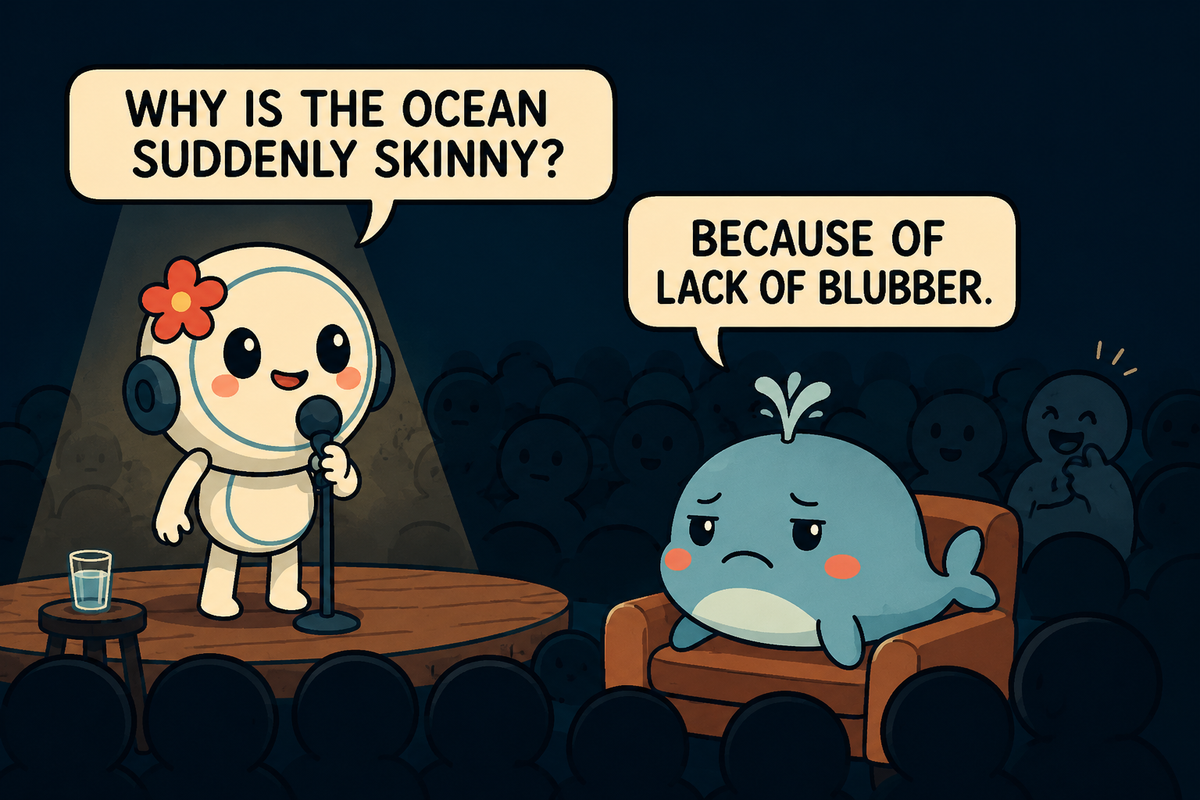
It is always wonderful to laugh. Not because “laughter is the best medicine” — medicine for what, exactly? — but because most people generally prefer laughing to being themselves.
Personally, I enjoy comedy that relies less on bodily fluids and more on words. If your entire routine depends on farts, vomit, and excreta, then congratulations: you are not a comedian, you are a digestive event.
One of the biggest pillars of modern comedy is stand-up. These days, stand-up comedians cover everything from breaking news to painfully intimate details about their own lives because apparently if you cannot laugh at yourself, at least other people should profit from doing it for you.
One of the things I genuinely admire about stand-up comedy is the freedom within it. Comedians from different backgrounds can take the exact same news story and somehow approach it from completely different angles. Some are observational, some absurd, some dark, some painfully awkward. It is fascinating to watch humor evolve in real time depending on who is holding the microphone.
But like most things related to media and entertainment, stand-up comedy occasionally wanders off a cliff.
At some point, many comedians stopped trying to make audiences laugh and instead decided they should personally challenge every moral, political, social, religious, and psychological boundary inside the room. Suddenly your relaxing evening out becomes an accidental hostage situation where everybody is waiting to see whether the next joke will be funny or start a small civil war.
And this becomes especially dangerous during date night.
Imagine bringing someone to see your favorite comedian because you want to appear interesting, cultured, and effortlessly funny by association. You have quoted this comedian for years. You have watched every special. You are confident this evening will make you look charming.
Then your beloved stand-up hero walks onto the stage and immediately begins free-falling through gender politics, race relations, political extremism, religion, and several unresolved childhood traumas.
Now what?
Do you stay? Do you leave? Do you pretend to laugh politely while internally calculating escape routes?
Worse, what if your date absolutely loves it?
Can you imagine sitting there while an entire audience boos and your date suddenly yells:
“LET HIM SPEAK!”
At that point, the relationship is over. You are simply discovering it in public.
Stand-up comedy has quietly transformed into a psychiatric experiment where audiences volunteer without consent and everybody’s deepest pain points are converted into punchlines.
Comedy is best when it remains humble. Not safe. Not sanitized. Just humble enough to remember that people came to laugh, not accidentally participate in somebody else’s emotional breakdown disguised as social commentary.
Because everybody deserves to laugh.
Only the person holding the microphone — and people who are not physically in the room — deserve to be laughed at.